Speak Without Words: Build Powerful Presence at Home

Today we dive into Nonverbal Communication Drills You Can Practice Solo at Home, turning quiet rooms into lively studios for posture, gaze, gesture, and expressive nuance. Expect repeatable routines, reflective prompts, and tiny wins that compound into confident presence. Share your progress in the comments, bookmark favorite drills, and invite a friend to practice alongside you remotely for extra accountability and joy.

Grounded Posture and Confident Stillness

Your body broadcasts intention before any syllable escapes your lips, which is why steady posture and restful stillness create trust, clarity, and calm. These home-friendly exercises strengthen alignment, reduce fidgeting, and teach you to radiate assurance. Track sensations, film short clips, and compare week by week. Ask readers below how they overcame wobbly knees, wandering hands, or slumping shoulders, and trade practical fixes that actually hold under nervous pressure.

01

Neutral Spine, Heavy Heels

Stand barefoot near a wall, lengthen the back of your neck, soften your ribs, and sink weight into heels like sandbags settling. Keep knees unlocked and pelvis neutral. Breathe low and slow for one song. Notice micro-tremors easing. Repeat daily, then journal two posture cues that instantly quiet anxiety during introductions or video calls.

02

Stillness Intervals With a Timer

Set a timer for sixty seconds of absolute calm: no shifting, scratching, or throat clearing. Then rest thirty seconds and repeat five times. Rate perceived effort after each round. Over days, extend intervals gently. Learn the difference between rigid freezing and alive stillness that feels available, breathable, and warmly attentive rather than tense or robotic.

03

Wall Feedback for Alignment

Lean the back of your head, shoulder blades, and sacrum against a wall, then step forward two inches while keeping the same vertical stack. Walk slowly across the room, preserving that organization. If you lose it, reset. Film from the side using a chair as a reference marker. Celebrate small improvements, and share snapshots with peers.
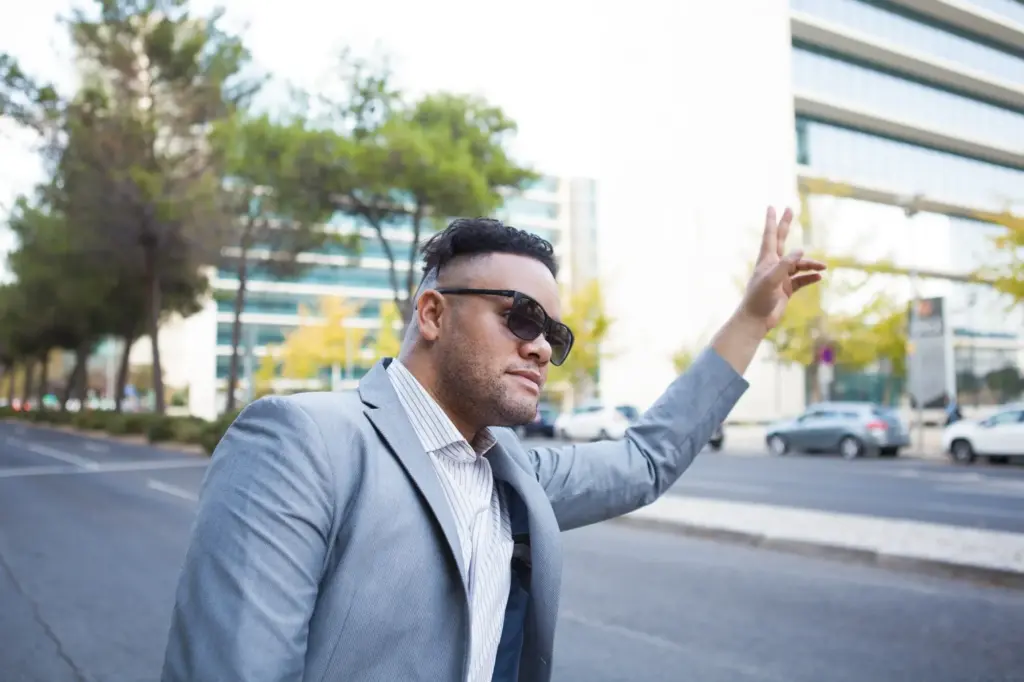
Expressive Facial Control Without Overacting

Your face whispers emotional context long before your gestures arrive. These drills expand range while preventing cartoonish exaggeration. Practice subtlety, reset tension quickly, and learn to land expressions that feel honest. Many readers report surprising jaw fatigue at first; that’s normal. Hydrate, stretch gently, and log discoveries. Invite others to suggest playlists that help sustain focus.

Purposeful Gaze and Focus Direction

Where you look tells people how much they matter, whether you’re open, or if you’re hiding. Intentional gaze builds credibility on video and in person. Train smooth transitions, comfortable contact, and release from staring. These routines clarify intent while easing performance jitters. Post your favorite cue below and help someone finally stop darting nervously.

Gesture Vocabulary, Timing, and Economy

Hands punctuate ideas and reveal confidence when they move with purpose. These drills build a concise, expressive toolkit, preventing flailing or stiffness. Start small, align gestures with silent phrasing, and respect cultural nuance. Track which motions feel trustworthy on camera. Invite readers to post a favorite gesture that instantly sharpens clarity without stealing attention.

Breath, Pauses, and Composed Presence

Silence can shimmer with intention when anchored by steady breathing and generous pauses. These practices regulate nervous energy, sharpen emphasis, and make listeners feel considered. You will learn to delay reactions without seeming distant. Track resting rate, celebrate sustainable gains, and comment below with your go-to reset when adrenaline surges during high-stakes interactions.

Approach and Retreat in Steps

Mark three floor spots with tape: far, mid, and near. Walk between them silently to convey overview, detail, and intimacy. Pause at each, adjusting posture and gaze. Film two takes—one quick, one measured. Evaluate how distance reshapes warmth and authority. Post screenshots with timestamps so others can learn which spacing reads best on camera.

Angles That Soften or Sharpen

Rotate your torso fifteen degrees left or right while keeping eyes engaged. Notice how a slight angle feels more conversational than a square-on stance. Test seated and standing. Add a nod at transitions. Compare impressions: friendly, decisive, or guarded. Encourage readers to share favorite angles that balance openness with structure during challenging feedback conversations.

Thresholds, Chairs, and Light Cues

Use a doorway as a narrative moment: pause, breathe, then enter with intention. Try three chair positions and note how height changes authority. Face natural light for clarity, avoiding harsh overhead glare. Build a repeatable setup checklist. Invite the community to post five-step room resets that make everyday corners feel professional, inviting, and confidently composed.